WorkSafe Is Heading to Residential Build Sites: What It Means for Your Build
WorkSafe inspectors are visiting residential construction sites from October to December 2026, with falls from height in focus. Here's what's been announced and our view on it.
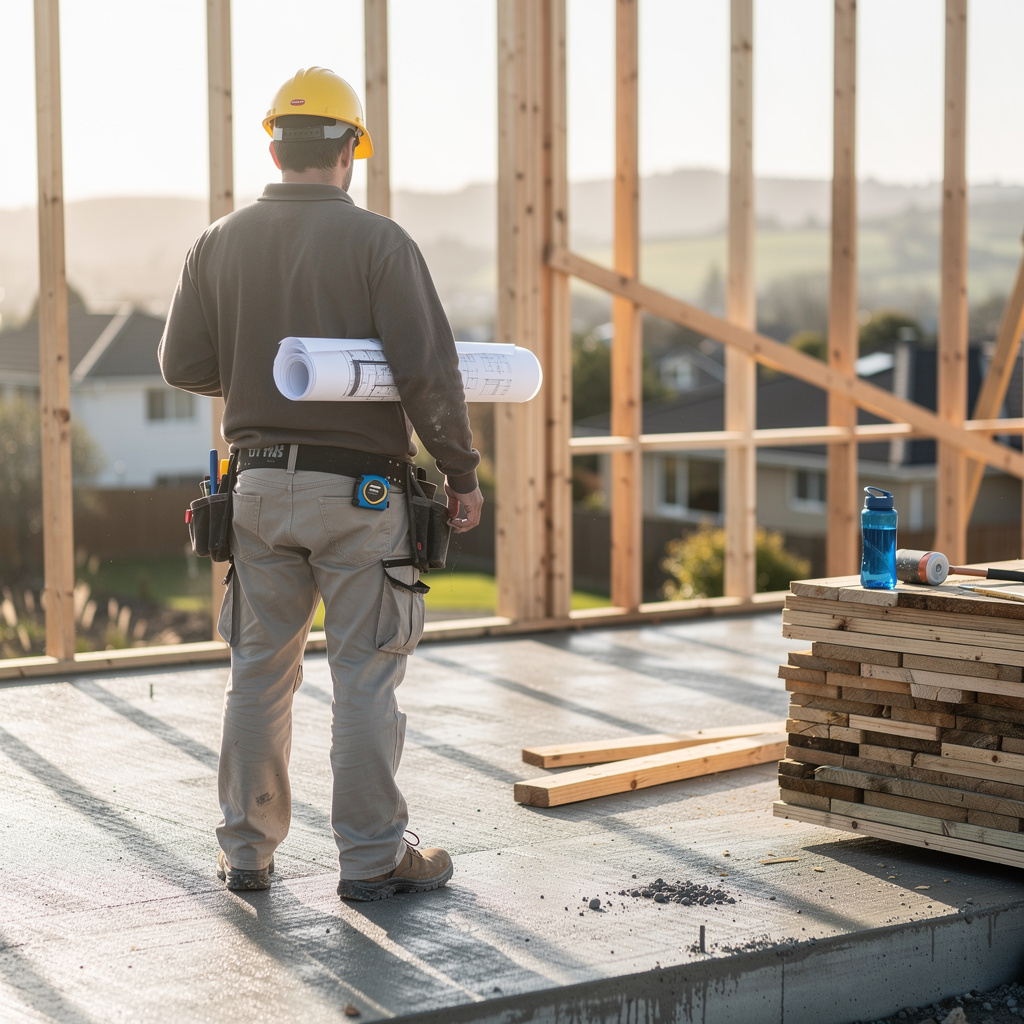
You're juggling programme, subbies, deliveries and cost tracking, and now there's a new reason a stranger in a hi-vis might turn up at your gate. WorkSafe has announced a proactive push on residential construction sites, and it's worth knowing what's been said before the first visit lands.
What's happening
On 15 September 2026, WorkSafe New Zealand announced that its health and safety inspectors will carry out proactive assessment visits to residential construction sites, and to beef and lamb farms, across the country. The visits run from October to December 2026. The full announcement is at www.worksafe.govt.nz.
On residential sites, the focus is how businesses are managing critical risks, with falls from working at height named specifically. On farms, the named risks are vehicles, hazardous substances and remote work. WorkSafe says it's targeting agriculture and construction because of the high numbers of deaths and serious injuries in these sectors.
WorkSafe describes the visits as a chance for inspectors to talk with people on site about how they keep themselves and others safe, and to offer guidance on improvements where needed. It also says the information gathered will show how risks are being managed in practice, and help shape how it supports businesses to prevent harm.
For context, WorkSafe says its 2025 visits to sheep, beef and dairy farms found significant gaps in vehicle safety and hazardous substances management. It then developed free learning modules on hazardous substances for agricultural businesses and workers.
Who it affects in New Zealand
Going by the announcement, the people in the frame are:
- Residential builders and building companies with active sites during October to December 2026.
- Developers running residential builds, including those who engage head contractors and trades.
- Workers and subcontractors on those sites. WorkSafe says inspectors want to talk with people on site, not just whoever holds the paperwork.
- Farming businesses, specifically beef and lamb farms, though that's outside our patch.
What the announcement doesn't tell us is how sites will be chosen for a visit, or whether you'll get notice.
If you've got several builds going at once, that matters. Each site is its own workplace, and an inspector may only see the one on the day.
What to do about it
We're not health and safety advisers, and this isn't advice on your legal obligations. Talk to a qualified health and safety professional about your own sites. What we can do is point you to what WorkSafe itself has flagged, and share some general, practical housekeeping from a business-running point of view.
Start with WorkSafe's own material
The announcement links to a few useful pages: working at height in New Zealand, the agriculture sector guidance, and "What to expect from a WorkSafe assessment". If you run residential builds, the working at height page and the assessment page are the two worth reading before October.
Talk to your crew
WorkSafe says conversations on site are part of the point of these visits. A practical test is whether the people actually doing the work can explain, in their own words, how they manage height risks on your current job. If they can't, that's useful to find out from your own site meeting rather than an inspector's visit.
Check what you've got in place for each build
Every site is different, so walk each of your active builds and ask a plain question: what's the height work on this job right now, and how is it being managed? Roof framing, scaffold stages and edge work don't all happen at once, so the answer changes through the programme.
Make sure the people on site are the people you think are on site
With subbies coming and going, it's easy to lose track of who's on which site on which day. Having a current picture of your programme helps you know when height-heavy work is happening and who's doing it.
Have the right person available
If an inspector turns up, it helps if someone on site can speak to how the work is managed. That might be you, a site supervisor, or a foreman. Decide ahead of time who that is on each build.
Our take
This section is our opinion, as a Canterbury software business that works with builders and developers. It isn't legal or safety advice.
We think proactive visits are a fair thing to expect in a sector that WorkSafe says has high numbers of deaths and serious injuries. Falls from height are on the list for a reason, and nobody on the tools wants to be the story.
What stands out to us is the tone WorkSafe has chosen. The announcement talks about guidance, conversations and learning what's happening in practice. We'd read that as an invitation to get your house in order, not just a warning. Readers can make up their own minds.
From where we sit, the practical angle is that safety is a cost-control and programme issue as much as a compliance one. Working at height takes planning, time and money, and in our experience those things get squeezed when the numbers get tight. If the cost of managing height work isn't visible in your feasibility or your live tracking, it's easy for it to be the first thing quietly trimmed. Having it sitting in the budget and the Gantt where you can see it is, in our view, a good habit. It won't make a site safe by itself, and software is no substitute for a competent plan on the ground.
We'd also say: don't wait for October. Read the WorkSafe pages, talk to your crew, and sort out who speaks for each site.
Feasibility projections are estimates only and do not constitute financial advice. Always consult a qualified professional before making investment decisions.
Frequently asked questions
When are WorkSafe's proactive visits happening?
WorkSafe says the assessment visits will run from October to December 2026 across New Zealand. They cover residential construction sites and beef and lamb farms.
What will inspectors focus on at residential build sites?
The announcement names falls from working at height as the focus on residential construction sites. WorkSafe says inspectors will look at how businesses manage critical risks, talk with people on site, and offer guidance on improvements where needed.
How will sites be chosen for a visit?
WorkSafe's announcement doesn't say how sites will be selected or whether notice will be given. For your own situation, check WorkSafe's "What to expect from a WorkSafe assessment" page or talk to a qualified health and safety professional.
If you're running a few builds and want your costs, programme and margins visible in one place, get in touch with the MarginTrack team. We're NZ-native, based in Canterbury, and built for builders and developers.